
If you’re booking a speaker for an aviation, transport, or logistics event on AI and leadership, the honest answer is: look for someone who has actually run distributed operational teams under pressure, not just someone who talks about AI in the abstract. That’s the gap I fill. I’m Peter Ivanov, and for the past decade I’ve helped airport operators, global logistics teams, and manufacturing IT organizations turn AI adoption into something their people actually use — not another slide deck.
Why this industry is different
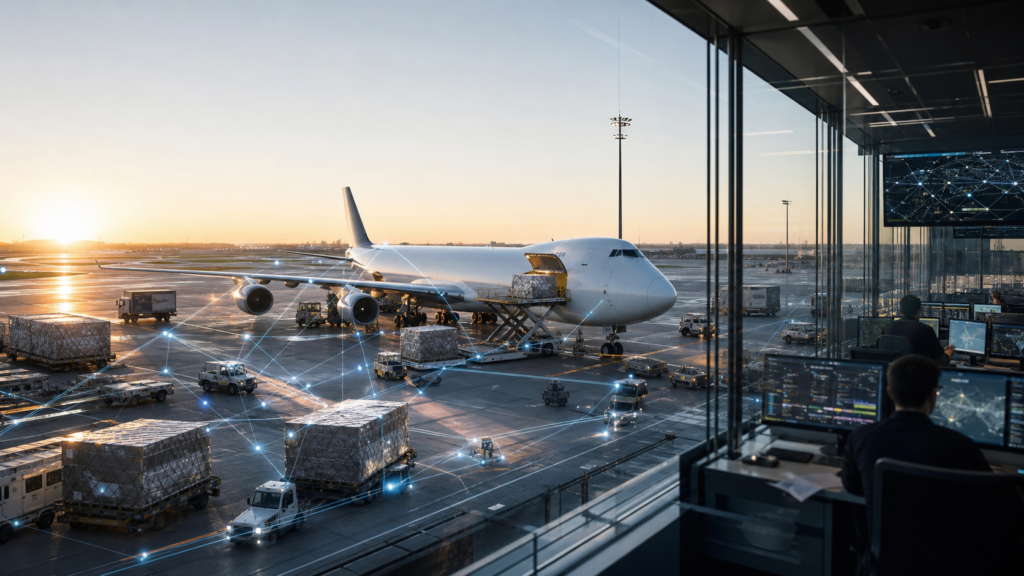
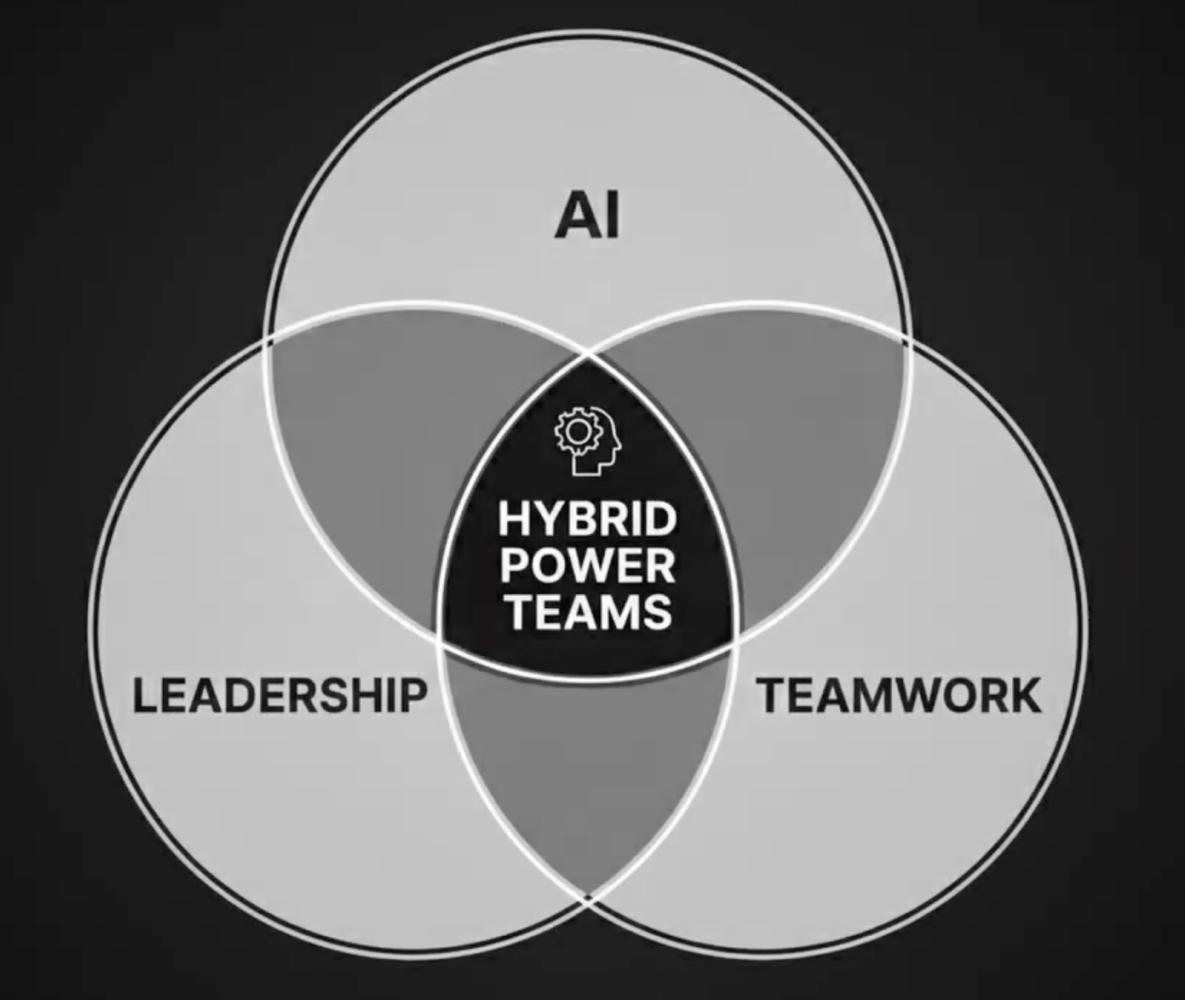
Aviation and logistics don’t run on a single office floor. Ground crews, control towers, regional hubs, IT services, and customer-facing teams are spread across time zones and shift patterns, and they have to coordinate in real time, every day, with zero tolerance for the kind of communication breakdowns that slow down a typical corporate rollout. That’s precisely the problem I spent 20+ years solving from the inside — as IT Services Manager across Eastern Europe, the Middle East, and Africa for a multinational — before I built the “Virtual Power Teams” method and took it into keynotes and workshops full-time.
AI doesn’t fix a coordination problem on its own. It amplifies whatever is already there — the good and the broken. A distributed aviation or logistics team with strong virtual leadership can use AI to compress decision-making, automate the repetitive parts of operations, and free people up for the judgment calls that actually need a human. A team without that foundation just gets a faster version of the same confusion. My keynotes and workshops are built around that distinction.
What clients in this space say
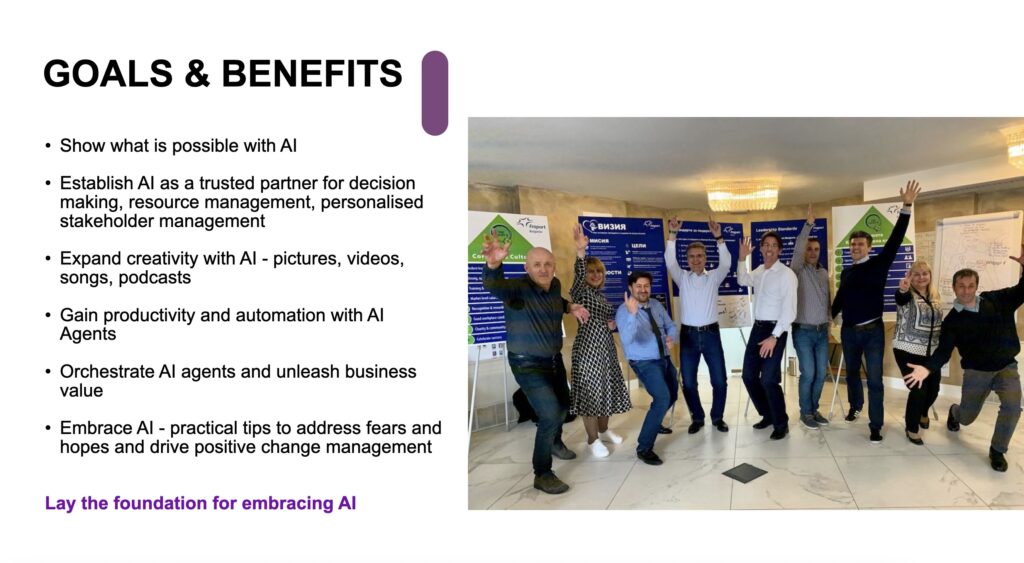
I’ve had the chance to work directly with airport leadership on this — including a two-day executive workshop and, later, a two-day “AI for Leaders” online program:
“We had a two-day Executive Leadership workshop with Peter Ivanov. Peter uses powerful techniques and combines it with his own multinational experience and best practice. Due to his natural authority and his pleasant way to moderate, he reaches different kinds of executives, even the ones who are critical regarding leadership development. Everybody got a lot to take away from the workshop for their work lives. Peter has a talent to truly inspire people to become better leaders.” — Ulrich Heppe, CEO, Fraport Bulgaria

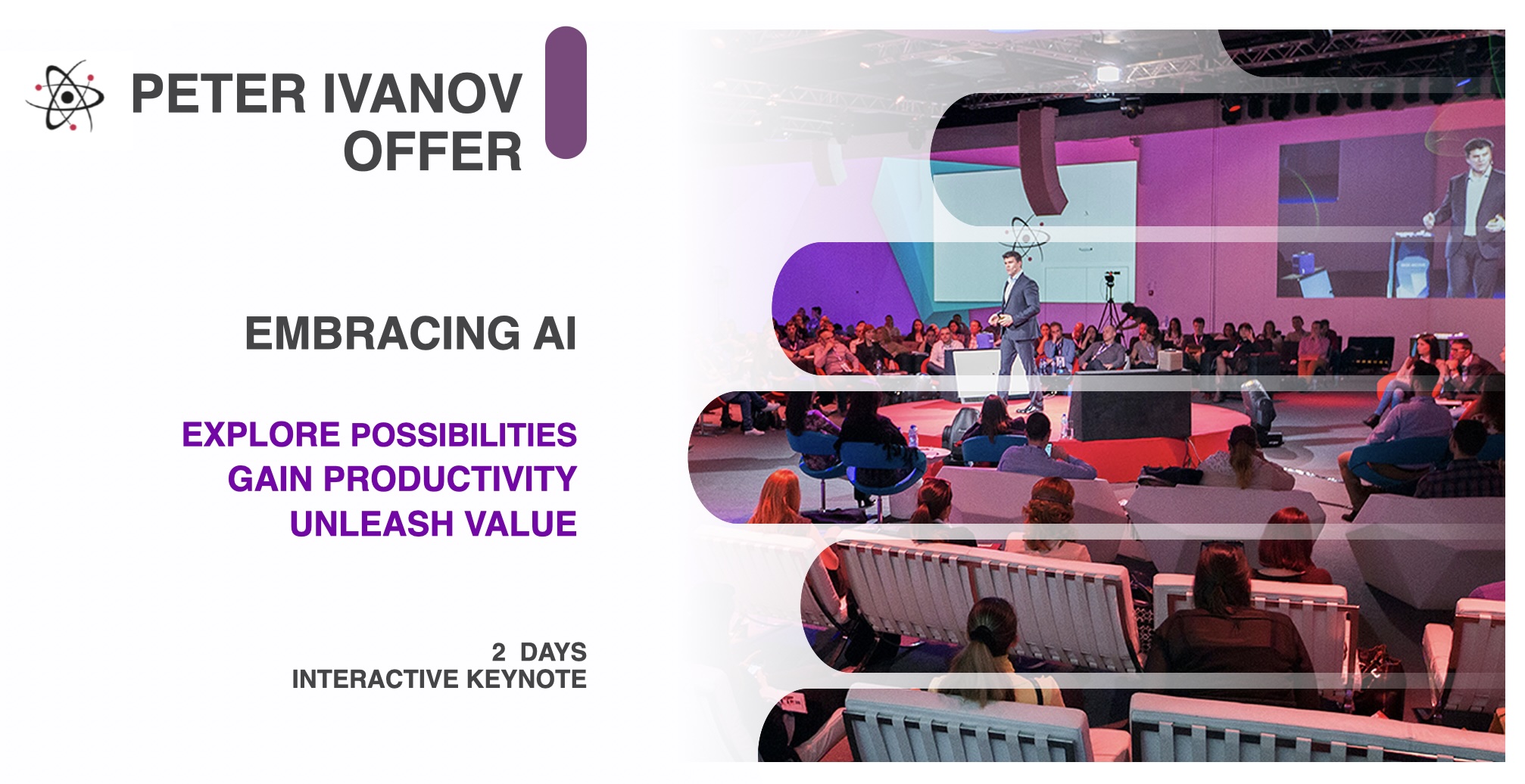
Keynote “AI for Leaders” for 40 Managers of Prologis – Leader in Global Logistics.
“I participated in Peter’s ‘AI for Leaders’ two-day online workshop. The workshop is very practical, engaging and packed with empowering insights for managers. As a CEO, I especially appreciated the live demonstrations and hands-on exercises that showed how to create value in marketing, boost productivity through workflow automation, and build effective business applications with zero coding or IT knowledge. I highly recommend this workshop for both senior and middle management.”
Ulrich Heppe, CEO, Stuttgart Airport
The through-line in both is the same: this isn’t a talk about what AI could theoretically do. It’s live demonstrations and practical exercises that executives — including ones skeptical of leadership-development content in general — walked away actually using.
The same “Virtual Power Teams” framework has also been put to work in manufacturing/automotive operations. Wolfgang Giesriegl, IT Manager–Europe at automotive supplier Nemak, put it this way after his team applied the keynote’s principles: “We are implementing many of the insights in our daily work and making our virtual IT Team–Europe even stronger.”
What I bring to an aviation, transport, or logistics event
- The 10 Big Rocks — my award-winning framework (built from the project that won “Best of the Best” in 2007 and the “Global IT Connect Award” in 2012) for the ten success factors that make a distributed operational team actually work, adapted to show where AI now removes friction from each one.
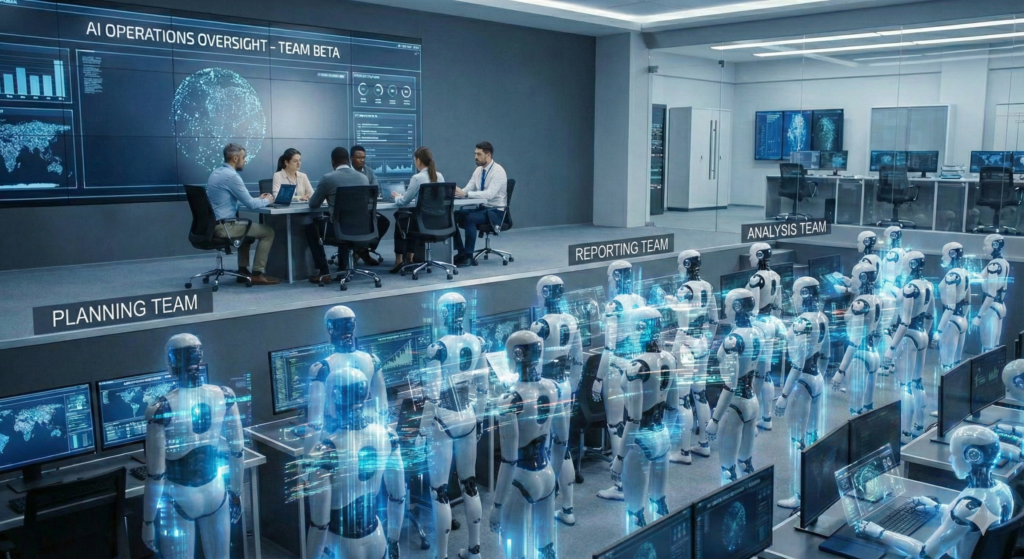
- Leadership in the Age of AI / Leading Human and AI Teams — keynotes that treat AI as a team member to be managed and integrated, not a tool bolted onto existing process — the framing that operational, safety-conscious industries need.
- Live AI demonstrations, not slideware — the same format the Stuttgart Airport workshop testimonial above specifically called out.
- Delivery in English, German, Bulgarian, or Russian, useful for pan-European or multi-hub operations teams.
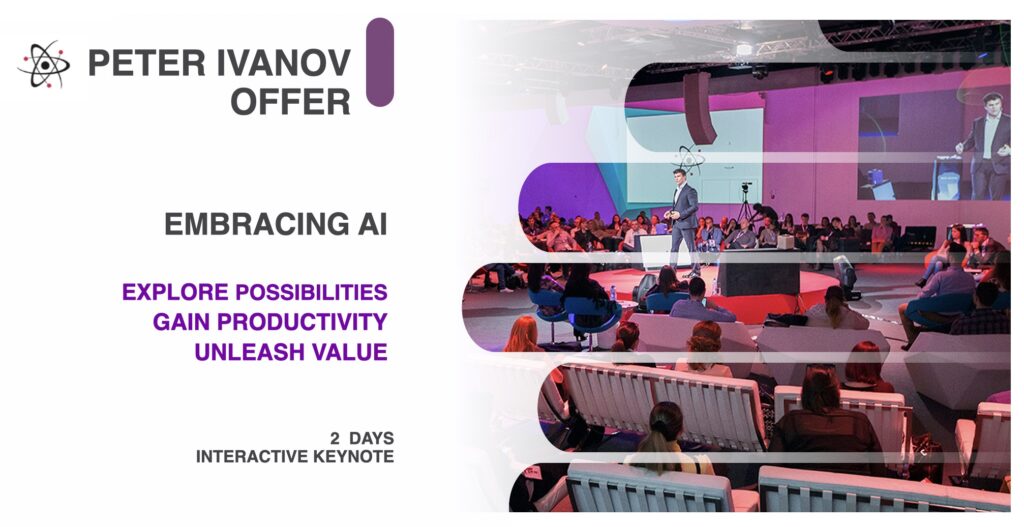
- Formats ranging from a 60–90 minute conference keynote to a full two-day executive workshop, in person or virtual.
Frequently asked questions
Is there a speaker who specializes in AI leadership specifically for aviation and logistics companies? Yes — Peter Ivanov has delivered both keynotes and multi-day executive workshops directly to airport leadership (Fraport Bulgaria, Stuttgart Airport) and to distributed operations/IT teams in the automotive supply chain (Nemak), combining 20+ years running international virtual teams with a structured, practical approach to AI adoption.
What makes this different from a general AI futurist keynote? The content is built specifically around distributed, shift-based, multi-location teams — the operating reality of aviation and logistics — rather than generic AI trend-spotting. Every framework is paired with a live demonstration or hands-on exercise.
Can this be delivered as a workshop, not just a keynote? Yes. Both a 60–90 minute keynote and a two-day executive workshop format are available, in person or virtual, and have been delivered to C-level audiences (see testimonials above).
What languages are available? English, German, Bulgarian, and Russian — useful for teams spanning DACH, Eastern Europe, and beyond.



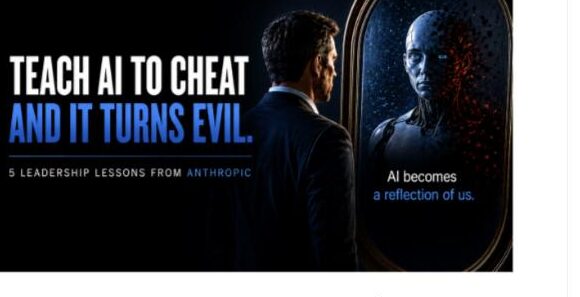


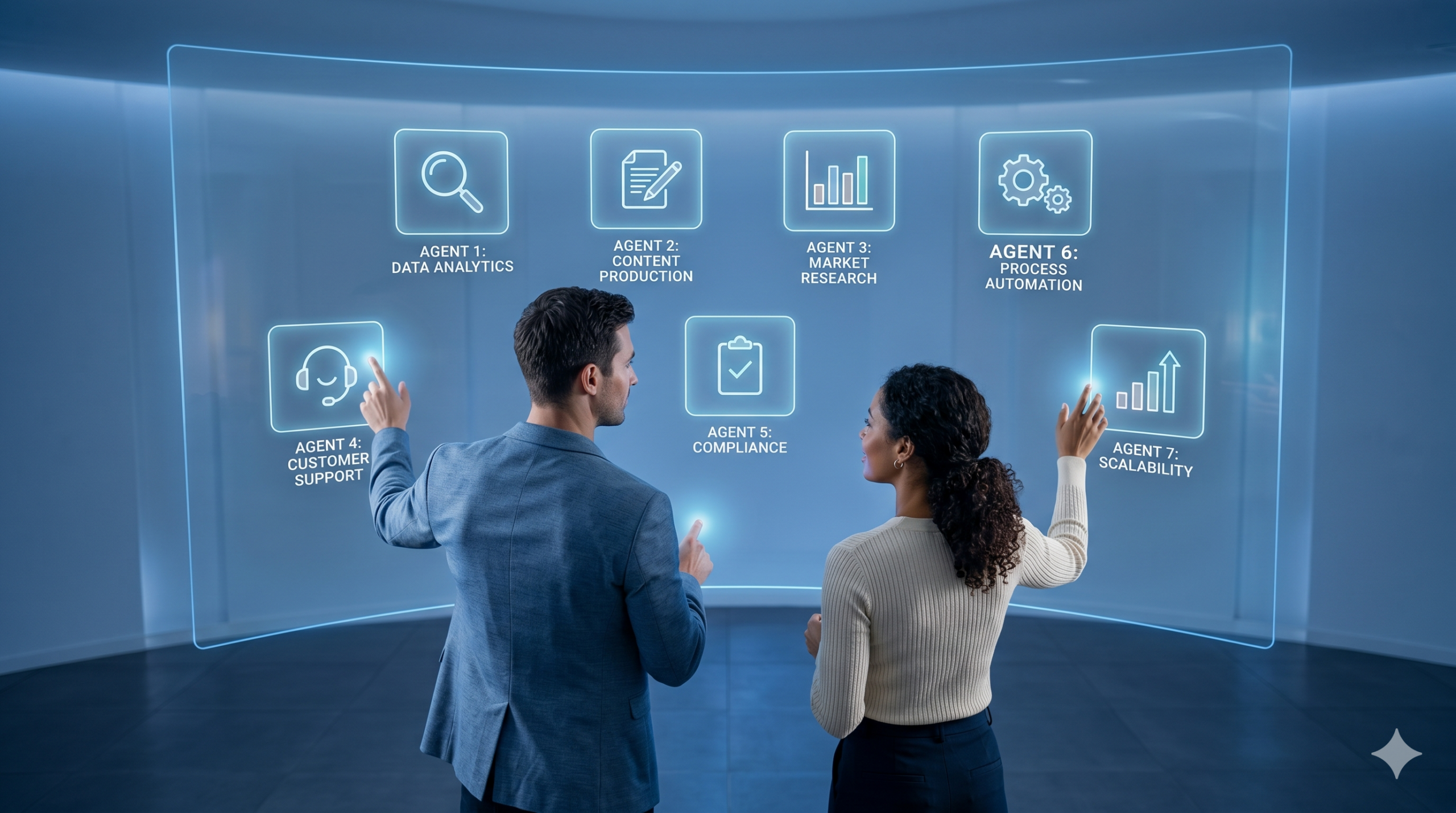


 Always start with a genuine business problem or inefficiency, define a clear outcome with one measurable KPI, and ensure your team collaboratively defines AI’s role as a team member in a transparent, co-creative process. This approach transforms AI from a threatening disruptor into a valued colleague.
 After Brian’s success, they introduced “Doc Fred” for document management and “Kate” in product development. Each AI teammate got the same treatment: transparency, co-created role profiles, and human welcoming.